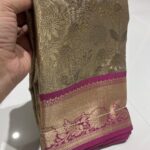
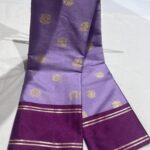
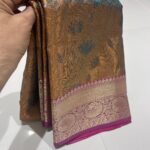
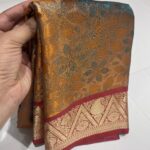
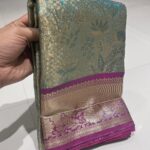
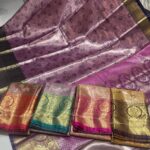
Banarasi sarees are among the most famous and luxurious traditional sarees in India. Known for their rich silk fabric, intricate weaving, and royal appearance, these sarees hold a special place in Indian culture and fashion. Originating from the ancient city of Varanasi, also known as Banaras, Banarasi sarees are admired for their elegance, craftsmanship, and timeless beauty. They are especially popular among brides and are considered a symbol of grace and heritage.
The history of Banarasi sarees dates back several centuries. The art of weaving these sarees flourished during the Mughal era when skilled artisans combined Indian craftsmanship with Persian-inspired designs. Mughal motifs such as floral patterns, vines, leaves, and intricate borders became an important part of Banarasi weaving. Over time, the sarees gained popularity across India and became associated with royalty and celebration.
One of the most striking features of Banarasi sarees is their fine silk material and detailed zari work. Zari refers to gold and silver threads woven into the fabric to create beautiful designs. The weaving process is highly skilled and time-consuming, often taking weeks or even months to complete a single saree. The detailed patterns, heavy pallu, and decorated borders make Banarasi sarees unique and luxurious.
Banarasi sarees are available in different varieties, including pure silk, organza, georgette, and shattir fabrics. Some popular types include Katan silk Banarasi, tissue Banarasi, and jangla designs. Each type has its own charm and artistic value. Traditional colors such as red, maroon, royal blue, green, and gold are commonly preferred, especially for weddings and festive occasions.
In Indian weddings, Banarasi sarees hold great importance. Many brides choose these sarees for their wedding ceremonies because they represent tradition, prosperity, and elegance. In several Indian families, Banarasi sarees are passed down from one generation to another as treasured heirlooms. Their timeless appeal makes them suitable not only for weddings but also for festivals, religious functions, and cultural events.
The weaving industry in Varanasi provides employment to thousands of artisans and craftsmen. These weavers dedicate their lives to preserving the traditional art form. However, the industry also faces challenges due to machine-made imitations and changing fashion trends. Despite this, authentic handwoven Banarasi sarees continue to be valued for their quality and craftsmanship. Government initiatives and fashion designers are now helping promote and protect this traditional weaving art.
Today, Banarasi sarees are loved not only in India but also across the world. Modern designers have introduced contemporary styles while maintaining the traditional essence of the saree. Celebrities, fashion enthusiasts, and women of all ages admire Banarasi sarees for their elegance and cultural significance.
In conclusion, Banarasi sarees are more than just garments; they are a reflection of India’s rich cultural heritage and artistic excellence. Their beauty, tradition, and craftsmanship continue to make them one of the most cherished forms of Indian attire.